

R
Ridgeline Builders
Lubbock, TX · Custom homes since 2009
ESTIMATE · EST-1041
Henderson kitchen reno
For the Henderson family · Issued May 8
Demo + framing$24,800
Cabinetry + counters$36,200
Electrical + finish$23,500
Total$84,500
 CommandJobsEstimatesTakeoffSoonInvoicesSub-contractsPurchase ordersBillsChange ordersLeadsDaily LogsTasksCalendarService callsTimePeopleFilesPaymentsExpensesReportsBooksEmail logActivity
Estimates, invoices, daily logs, sub-payments, and field crews — all under one roof. Built by a working GC to replace the spreadsheets, the group texts, and the software you stopped opening.
Cash position, AR, AP, job costs — the actual numbers, not yesterday's export. Every estimate flows into invoices flows into payments. Job costs roll up automatically as your foreman logs hours and your subs send bills.
You're paying us to run the engine — not to put our logo on your invoices. We don't promote our brand, watermark your docs, or appear anywhere your customers look. Upload your logo at signup and every estimate, invoice, contract, share link, and email goes out as your company.
For the Henderson family · Issued May 8
We pushed Phase 110 to prod today. Here's a sampling of what landed — see the full release notes for the rest. And the next push is already in flight.
Rich-text Project Overview with a one-click AI writer that generates a structured scope from the job context. Edit inline; what you write is what prints on the customer's estimate.
Conditional / unconditional, partial / final, inbound to your vendors AND outbound to your customers. Statutory forms for the 12 states that require them; in-house e-sign with audit trail; PDF in one click.
Print checks on pre-printed stock or blank MICR. Pulled straight from bills — vendor, amount, memo all pre-filled. Independent of QuickBooks if you want it to be.
Clocked hours feed straight into payroll runs. FLSA overtime, salaried + hourly, gross-only checks via the same print pipeline. No tax engine — for that, your accountant's still the answer.
Phases with dependencies that auto-shift when one slips. JobTread-class scheduling on a Jobsides-priced tier. Cascade preview, weather-aware, AI-generated schedules and field-mobile views coming next.
Two-way sync: contacts, customers, invoices, payments. Onboard a job once and it lives in both systems. No more manual rekeying, no more month-end reconciliation drift.
Load NAHB residential (4-digit phase tree) or CSI MasterFormat (5-digit) or Uniformat in one click. WCC defaults for workers' comp baked in. Upload your own CSV too.
12 curated reusable scopes load from the templates empty state. Roof tear-off, kitchen rough-in, deck rebuild, all the common ones. Edit + save your own variants.
Send a sub a token link to upload COI, W-9, license, anything. They e-sign + upload from their phone. You see the green dot when it lands.
Every long form in the app (estimates, invoices, contracts, bills, jobs) now autosaves locally as you type. Browser crashes, phone reboots, kid closes the tab — your work survives.
Estimates, contracts, invoices, and change orders now ship with a sensible terms block out of the box. Override per-tenant in Settings or per-doc on the form. No more empty terms fields.
Browser-chrome bands killed from Save-as-PDF. DRAFT watermark uniform on every page. Rich-text scopes paginate at clean h3 / paragraph / list boundaries — no more orphan pages.
This is the path most jobs follow — but the system doesn't make you. Skip steps. Jump in mid-stream. Start with a contract, never bother with an estimate. The flow below is what carries forward when you do follow it: estimate becomes contract becomes schedule of values becomes invoices. No re-typing. No copy-paste. No lost trail.
Drop a form on your site, paste in a referral, or log a phone call from the truck — the lead shows in your inbox, on the dashboard, ready to convert into a real job. No more "I'll text it to you" losing the customer's number on day three. Built-in CRM, no Salesforce subscription.
Your estimate becomes your contract becomes your invoice becomes your job costs becomes your sub-bill reconciliation. Hover a tab — see what actually ships in each module.
Build a real schedule of values — line items, sections, cost codes. Load a starter template, write your own with the AI scope writer, or copy from a similar job. Pick one of eight customer-facing print designs. Send a branded share link; the customer accepts and e-signs in the browser. No PDF round-trip, no DocuSign account.
Every invoice pulls from the estimate's schedule of values — so the customer sees draw 2 of 4 against the work they already approved. Send a share link with a pay button; Stripe handles card or ACH; the payment auto-matches the invoice; the receipt threads into the job's audit trail.
Issue a scope-based sub-contract, send a token link, the sub uploads their COI, W-9, license, references — and e-signs the scope — from their phone. Their bills come in tagged to the scope; overages flag automatically. Bill-backs route to the customer's invoice automatically. Bill 1 paid, bill 2 pending, bill 3 still to come. No spreadsheet.
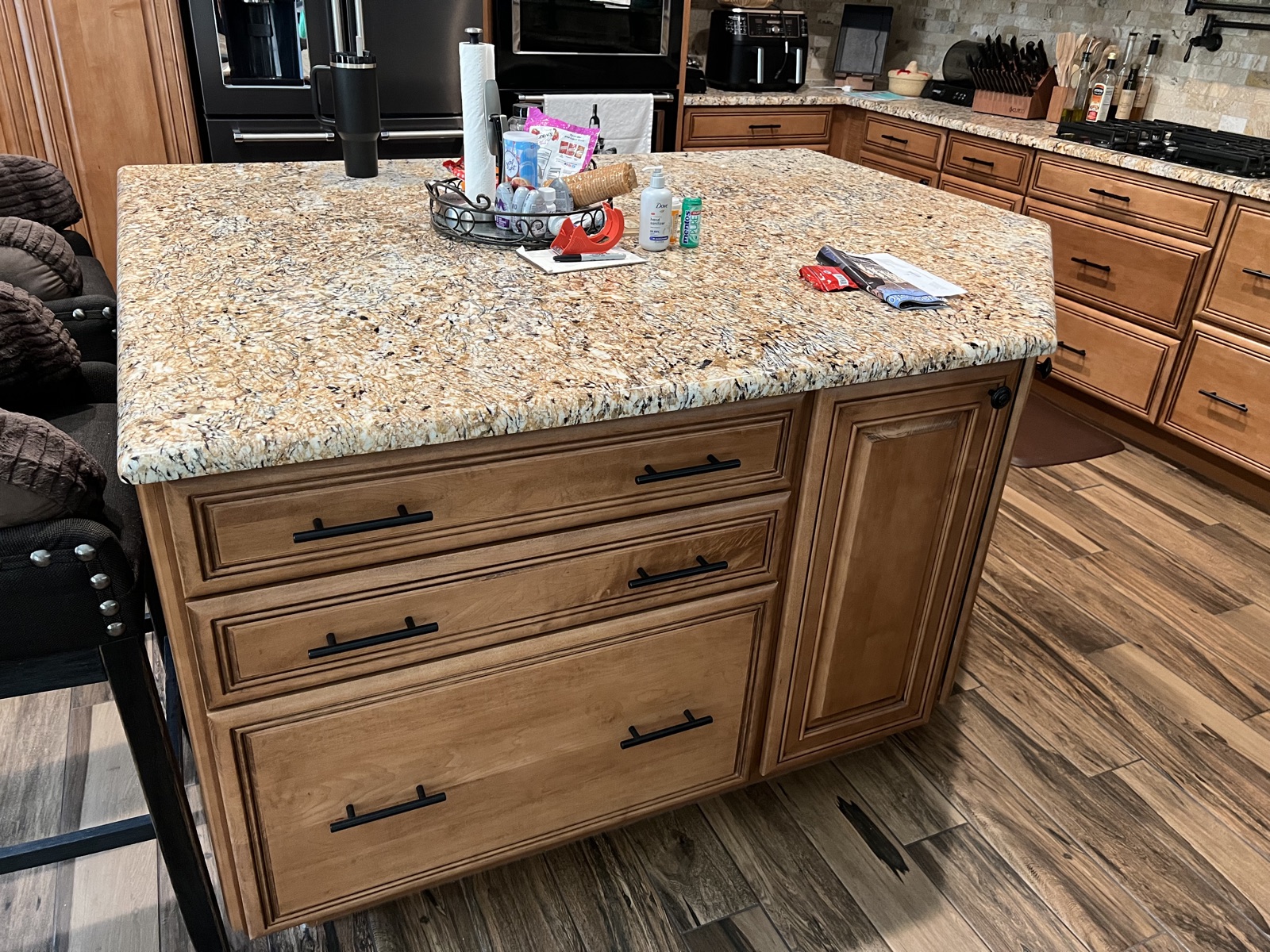
A foreman opens the app, snaps three photos, taps "framing complete," logs his crew's hours, and saves. Sixty seconds. The office sees the entry, the photos, the hours, and the labor cost on the dashboard before he's back in the truck.
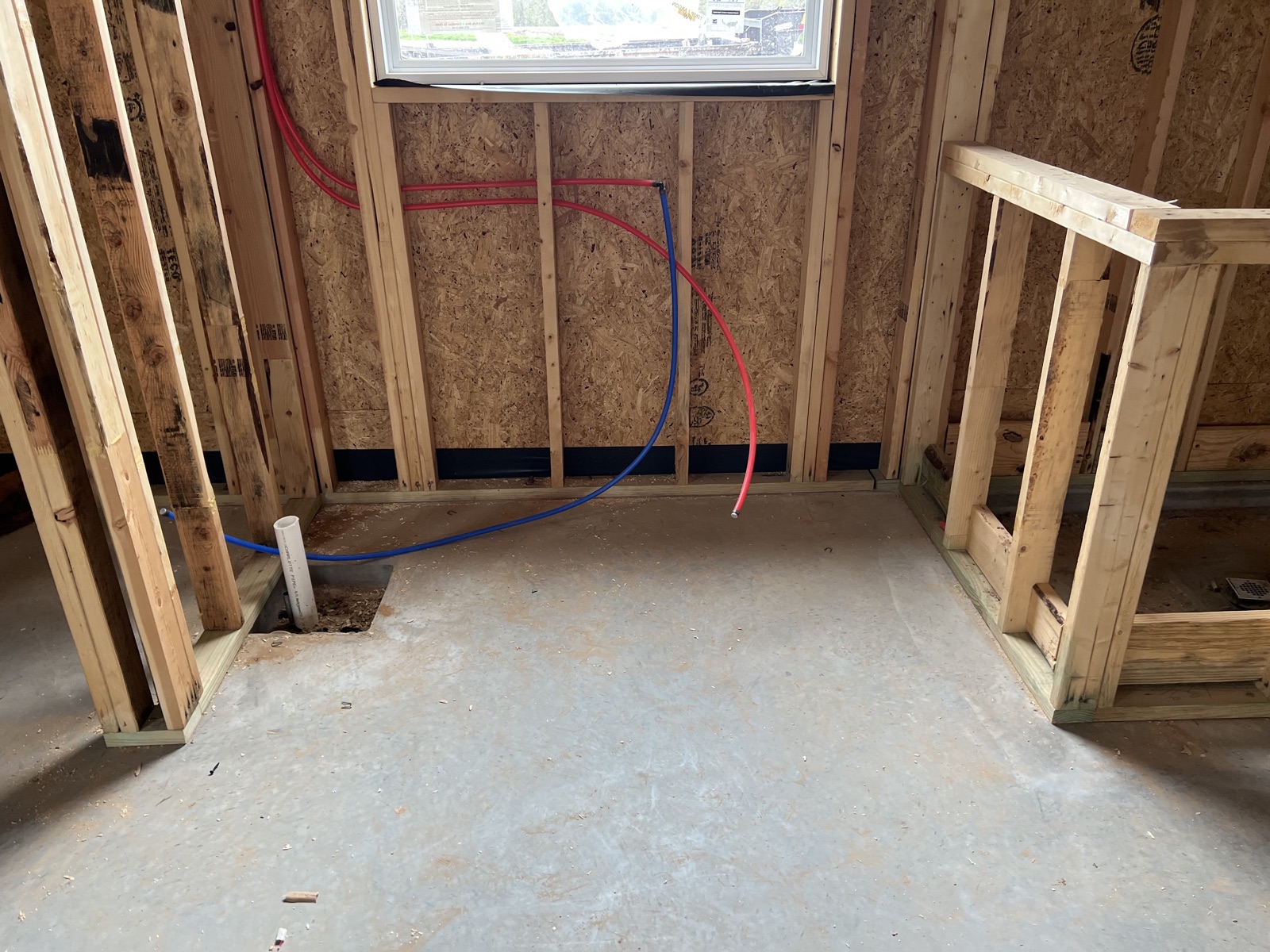 framing
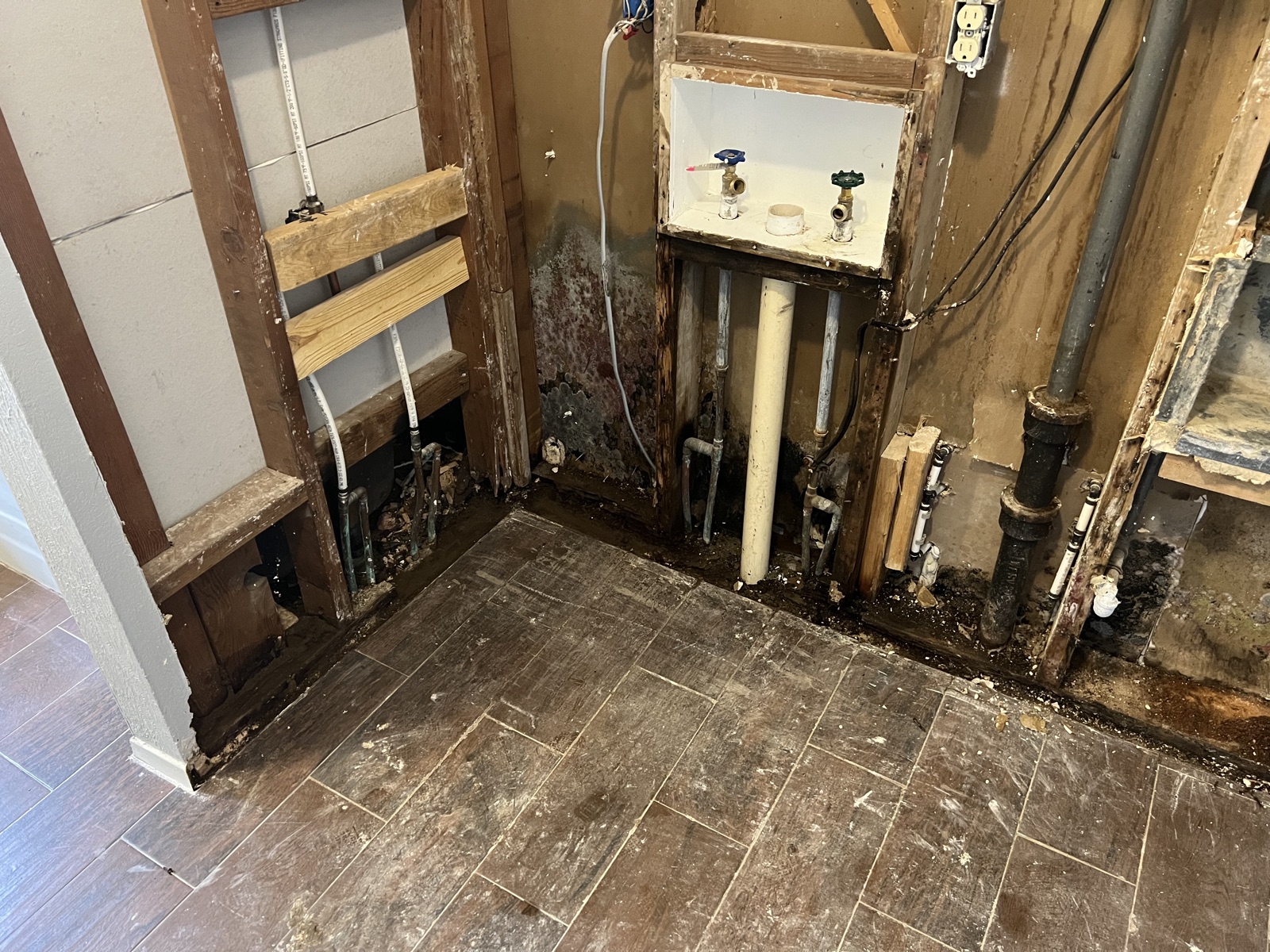 inspector
 delivery
Framing complete on north wall. Inspector confirmed for Wed 9a. Cabinet delivery rescheduled to Friday.
Customer wants to add a pantry build-out. You build the change order on top of the existing estimate; +$3,950 in new line items; send the share link; they e-sign in the browser. The original estimate updates. Future invoices reflect the new total automatically. No "side agreement" that gets lost on someone's phone.
Same data — eight different visual registers. Pick the one that fits the work and the customer. Your estimate, contract, invoice, and change order all carry the design through; the customer sees one consistent brand across every doc.
Henderson kitchen reno on a Tuesday afternoon. Three people sign in. Three different views. Each sees what they need — nothing more, nothing less. That's what a real permission system looks like.
One system from the lead landing in your inbox to the invoice paid in your bank. Not five tools duct-taped together — one.
Stop copy-pasting between QuickBooks, an Excel estimate, your inbox, and a thread on your phone. Every job carries its own estimate, schedule, daily logs, change orders, sub-contracts, sub-bills, and payments. Click a job and see everything at once.
Send a share link instead of a PDF buried in an email thread. Customers see a branded view of their estimate, contract, or invoice — and can e-sign or pay in the browser. No login. No app. No friction. JobTread has one print design. We built eight.
Daily logs, photos, timecards, sub-bills — captured from the jobsite in the same minute they happen. Office and field aren't two systems anymore. They're one — with the money trail that ties them together.
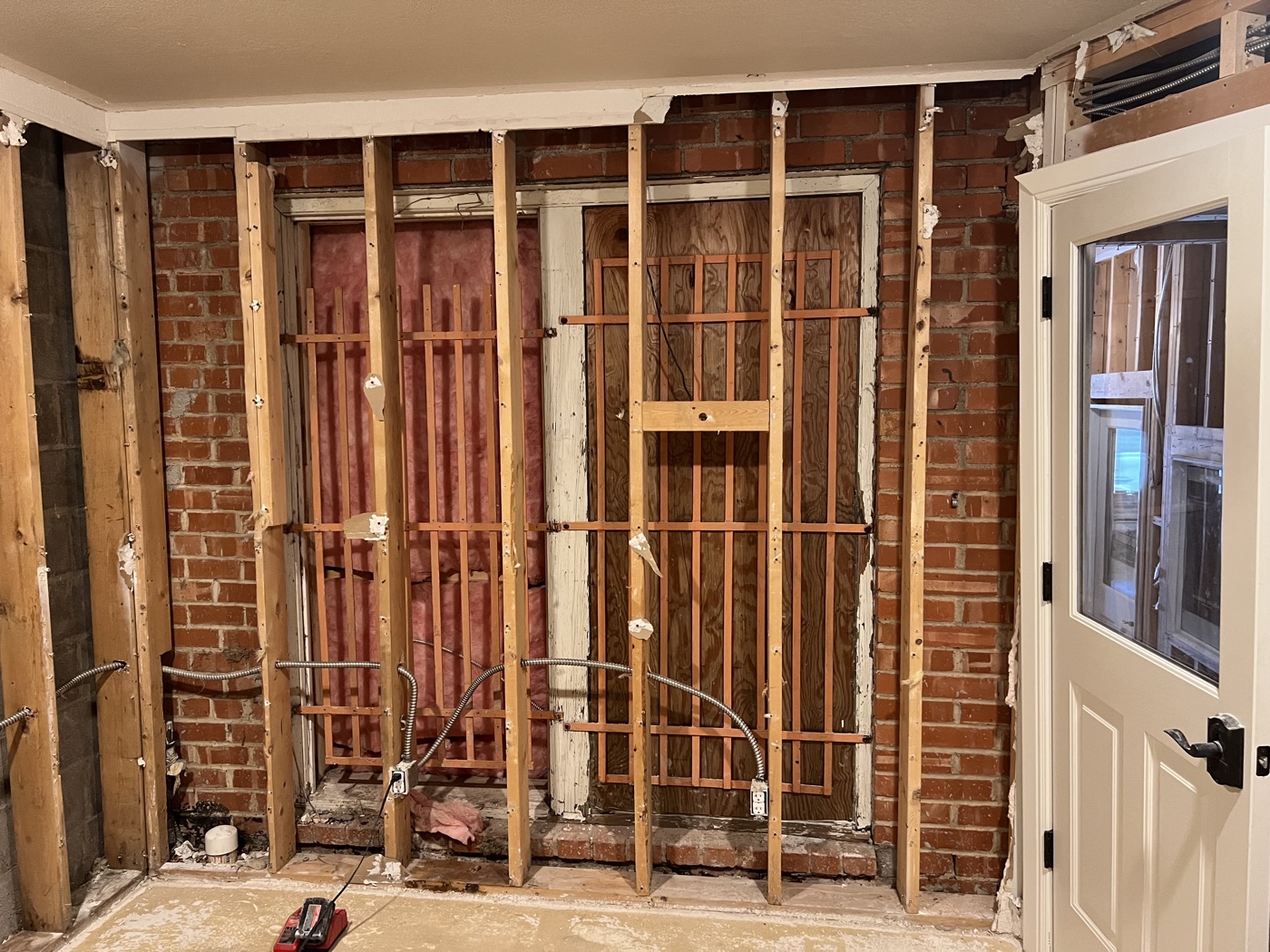
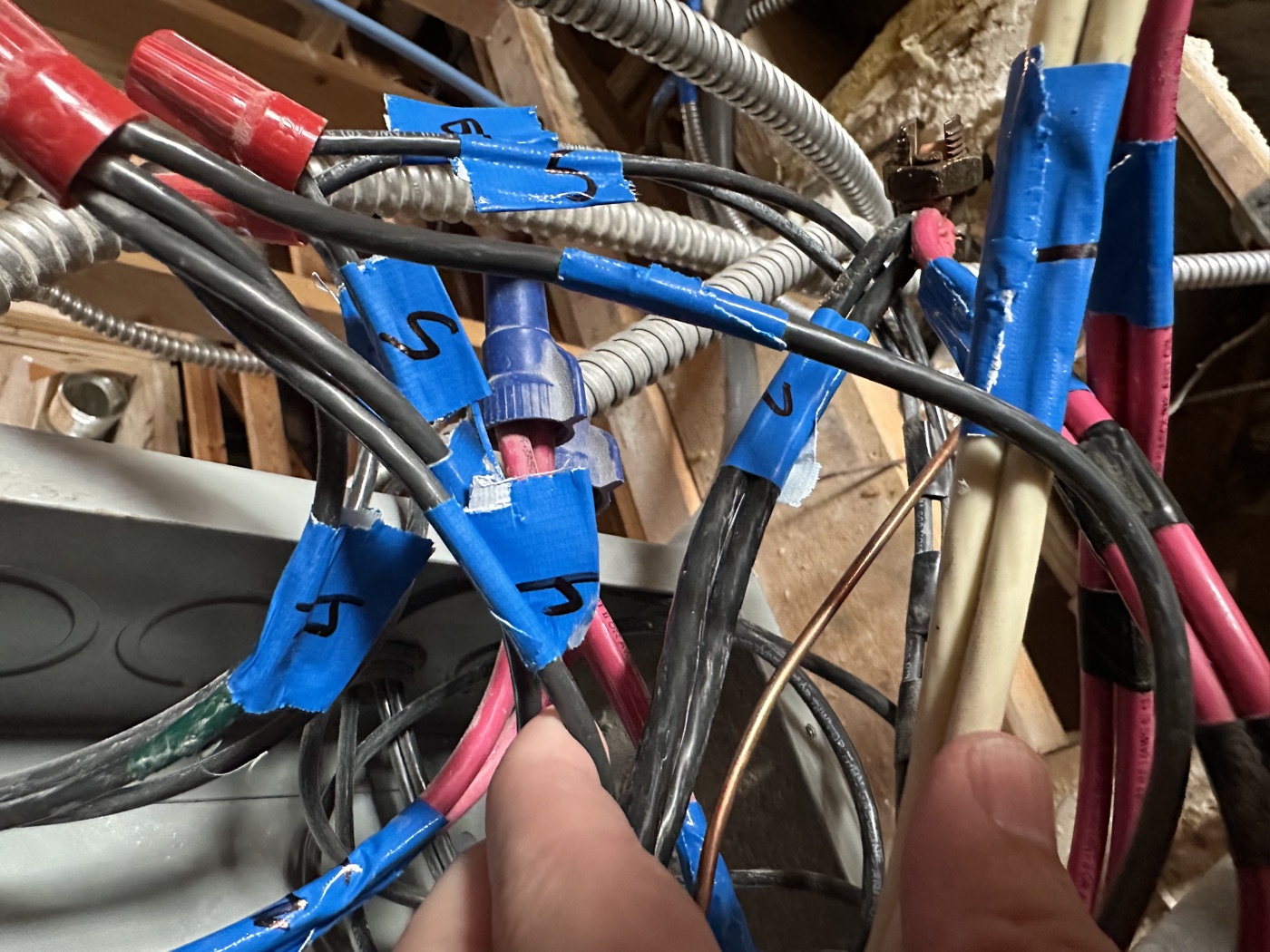
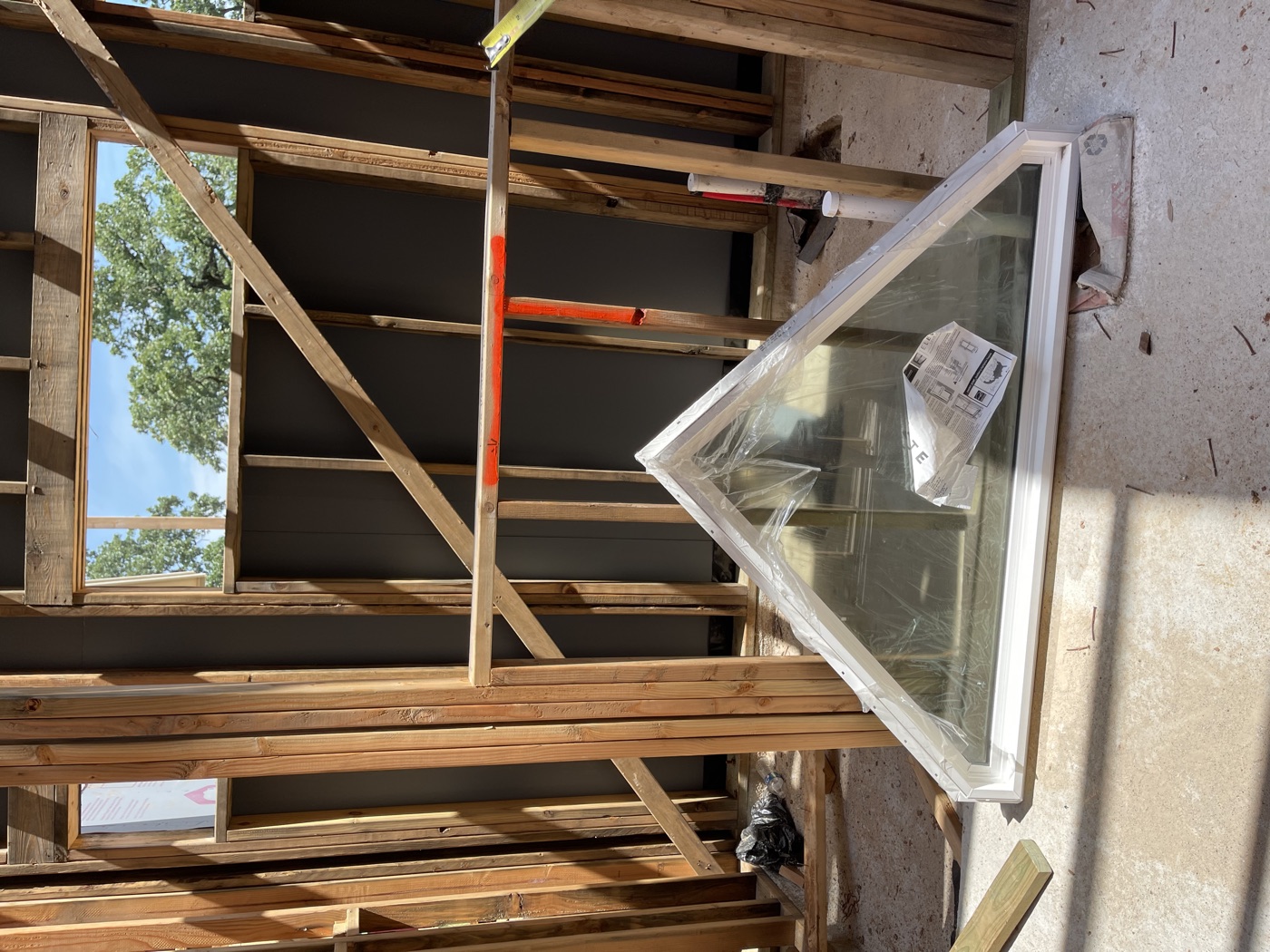
Cash on hand after Stripe fees. Job-cost margin per job, live. Open invoices waiting on the customer. Bills coming due. Subs on-site. Inspector visits this week. Not month-end reports built by your bookkeeper — what's actually true right now.
Job-tied task system: checklists, comments, attachments, kanban board, multi-assignee crews. The foreman gets the punch list on his phone; you see what's done before you ask. Private tasks for the things crew shouldn't see. Email or in-app alerts when work lands on you, when it's commented, when it moves.
Print real checks. Run payroll from clocked hours. Load the cost-code standard your insurance carrier already uses. JobTread doesn't bundle any of these. Procore sells them as add-ons. We just include them.
A bill becomes a check. The check prints on pre-printed stock OR blank MICR paper with real E-13B fonts the bank reads from a phone-camera deposit. We tested this on first-try mobile deposit and the bank accepted it. QuickBooks isn't required — post if you want, or don't.
The foreman clocks in on his phone. The hours feed payroll. Payroll generates checks via the same print pipeline. Hourly or salaried (or mixed). FLSA overtime computed weekly. Gross-only by design — your CPA handles tax. We don't pretend to be ADP.
NAHB residential phase tree. CSI MasterFormat for commercial. Uniformat for system-level. NAICS for compliance. Pick the standard your insurance carrier already uses and load it in one click — with WCC workers'-comp defaults baked in so the codes actually map to insurance. Or upload your own CSV.
Procore turns on 200 features and asks you to spend a quarter turning them off. We ship lean — the onboarding picks the modules your operation actually uses today. Everything else is one toggle away whenever you need it. No "configuration meeting" with a sales engineer. No per-feature pricing tier.
Upload a sub-bill PDF and it matches to the contract scope. Snap a receipt at the supply yard, mark a customer payment received — each one tagged to the job and the line item. No spreadsheet, no QuickBooks export to clean up at month-end.
And when the bank statement lands, Books reconciles it against all of this →
Construction software is crowded. Here's where each option fits — and where Jobsides is different.
Built for $50M+ commercial GCs. Too much for a 5-job-a-month residential builder.
We literally built this to replace it. Functional, but the UX is stuck in 2015.
Great product. Closest competitor. About 2x our price and built more for commercial.
Built by a working GC, for working GCs. Modern UX, half the price, opinionated.
Customers, payments, employees, jobs, money — your whole operation lives in here. So we built it the way it would have to be built to deserve that.
Every query in the system is scoped to your company — at the database row level AND at the app layer. Another GC will never see your jobs, your customers, or your money.
Owner sees the books. PM sees their jobs. Foreman sees today. Office staff sees what you say they see. Not a binary admin/non-admin toggle — a real capability system.
We ran a multi-agent security audit on the codebase mid-2026. Every finding got a commit. No back-patting; we publish the receipts.
Not vaporware on a VC clock — a small operator cohort, real release notes every week. The dev team uses the product to run their own contracting business.
First piece of software where my foreman actually opened it on his phone. The daily log + photo flow is faster than the group text we were using before.
Per-company flat fee. No per-user gotchas, no “contact sales” wall. 14-day free trial, no card required.
Commit for the year and keep the difference.
Month to month. Cancel whenever you like.
14-day free trial. No card required. Cancel any time. We approve every signup personally during beta — so if you're a working GC, you're in.